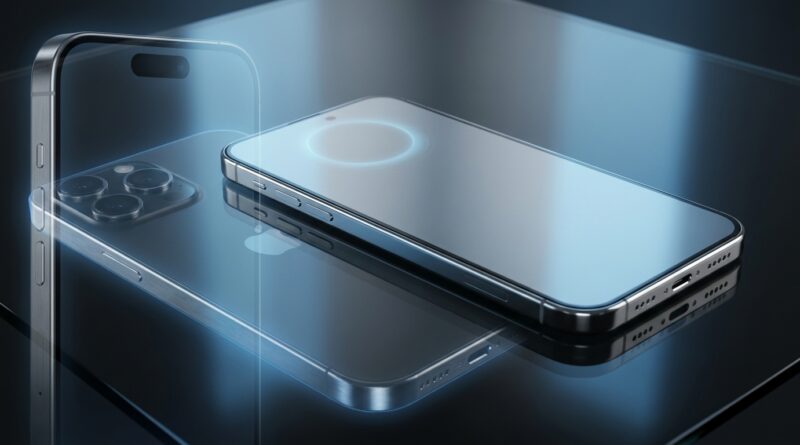
iPhone 20 ‘Face ID‑Free Screen Hack’: The Quiet Sensor‑Under‑Display Leak That Changes How You Should Really Plan Your Next Upgrade
If you have ever bought an iPhone right before Apple changed the design, you know the feeling. Your phone is still fast, still expensive, and somehow already looks one generation old. That is why this new iPhone 20 under display Face ID screen leak matters more than the current obsession over battery sizes and teardown photos. The quiet story is not just how long the next Pro model lasts on a charge. It is whether Apple is finally getting ready to hide Face ID under the screen and move past the cutout era for good. If that happens on the 20th anniversary iPhone, the upgrade you make in 2026 could age very differently depending on timing. Early reports pointing to a roughly 6.4-inch display, higher resolution, and Face ID parts sitting behind the glass suggest Apple is testing a real front-design reset. For regular buyers, that changes how you should think about contracts, trade-ins, and patience.
⚡ In a Hurry? Key Takeaways
- The big leak is not battery capacity. It is the growing sign that Apple may move Face ID under the display for iPhone 20.
- If you usually keep your phone for three to four years, be careful about upgrading too early in 2026 unless your current iPhone truly needs replacing.
- Leaks can change, but a major front-design shift often makes the previous model feel older faster, which can hurt resale value and buyer satisfaction.
Why this leak matters more than the usual launch chatter
Most rumor cycles get stuck on easy numbers. Battery size. Camera megapixels. Charging speed. Those things matter, of course. But they are not always the changes that shape how happy you feel with a phone two years later.
The iPhone 20 under display Face ID screen leak points to something bigger. Apple may be working toward a cleaner, almost uninterrupted display by hiding key Face ID hardware beneath the panel itself. That would be one of the biggest visual changes to the iPhone’s front since the notch first showed up.
And unlike a chip bump or slightly bigger battery, this is the kind of change people notice every single time they unlock the phone, watch a video, or take a photo.
What the leak actually suggests
The reports making the rounds point to a few details worth paying attention to. None are official yet, so keep your expectations sensible. Still, together they paint a clear direction.
1. A roughly 6.4-inch class display
That size suggests Apple may be adjusting screen planning for a future anniversary model, possibly looking for a sweet spot between usability and a more dramatic all-screen look.
2. Higher resolution
This matters because hiding sensors under the screen is not just about moving parts around. Apple also has to keep the display looking crisp and even, especially where the hidden hardware sits beneath the panel.
3. Face ID hardware behind the glass
This is the headline item. If Apple can move the Face ID system under the display without hurting reliability, speed, or security, it solves a long-running design compromise. In plain English, you get more screen and less visual clutter.
Why Apple would take so long to do this
Putting Face ID under a display sounds simple when written in one sentence. In real life, it is hard.
Face ID is not one little camera. It uses multiple components to map your face securely. The screen above those parts can interfere with light transmission and sensor accuracy. Apple will not ship it just because it looks cool in a keynote slide. It has to work in bad lighting, weird angles, hats, glasses, and the half-asleep face you make at 6:30 in the morning.
That is why this kind of leak is useful. It tells us not just what Apple wants, but what Apple may finally think it can ship.
What this means for your next upgrade
This is where regular people should pay attention. Not because everyone needs an iPhone 20, but because buying at the wrong point in Apple’s design cycle can be annoying and expensive.
If you upgrade every year
You are probably fine. You buy what you want, enjoy it, then trade again next year. The risk is low because you are not stuck long.
If you keep your iPhone for three to five years
You should think harder. A big front redesign can make the phone before it feel older much faster. Not slower. Not worse. Just older.
That matters if you care about resale value, trade-in timing, or simply not feeling like you missed the real redesign by one cycle.
If you are signing a long carrier contract in 2026
This is the group that should be most careful. If the iPhone 20 lands as the first major no-cutout-looking design, locking yourself into the wrong model just before that shift could sting.
Should you skip the iPhone 18 or 19 because of this?
Not automatically. This is where rumor coverage often gets silly. A future design change does not make current phones bad.
If your battery health is awful, your screen is cracked, your storage is full, or your current phone struggles with the apps you use every day, waiting for an anniversary model may not be practical.
Also, performance upgrades still matter. If your work or hobbies push your phone hard, memory and chip gains can be more useful than a cleaner front design. That is why stories like iPhone 18 Pro ‘A20 RAM Hack’: The Quiet 16GB Leak That Finally Lets You Treat Your iPhone Like a Mac are worth watching too. More RAM may change day-to-day multitasking in a very real way, especially for people who edit, game, or bounce between heavier apps.
So no, do not panic-skip a good phone today just because a nicer-looking one may come later. But do buy with open eyes.
How to plan smart if this leak is real
You do not need a crystal ball. You just need a simple plan.
Option 1: Stretch your current phone another year
If your iPhone still runs well, this is often the smartest move. A battery replacement is cheaper than a full upgrade, and it can buy you enough time to see whether Apple really makes the under-display jump.
Option 2: Buy now, but avoid overcommitting
If you need a phone before the iPhone 20 window, consider avoiding a very long installment plan. Flexibility matters more when a major redesign may be close.
Option 3: Watch trade-in timing closely
Trade-in values usually slide after a major visual reset. If you think the iPhone 20 could be your target, start tracking resale trends earlier than usual.
Option 4: Focus on what annoys you today
Ask yourself a simple question. What do you hate about your current phone? If the answer is battery life or app reloads, an earlier upgrade may still make sense. If the answer is “I just want the next big look,” then patience may save you regret.
What could still change
Leaks are not guarantees. Apple tests many ideas that never reach store shelves exactly as rumored.
The company could move only some Face ID parts under the display first. It could keep a tiny camera cutout. It could delay the change if yield problems or image-quality issues get in the way. That is normal.
Still, even a partial move would matter. It would show Apple is serious about retiring the current front design over time.
At a Glance: Comparison
| Feature/Aspect | Details | Verdict |
|---|---|---|
| Under-display Face ID | Leak suggests Face ID hardware may move behind the screen on iPhone 20, reducing visible front cutouts. | Potentially the biggest design change. Worth waiting for if looks matter to you. |
| Current hype around iPhone 18 Pro | Battery numbers and internals are getting most of the attention right now. | Useful, but not the full story if you keep phones for years. |
| Best buying strategy | Wait if your current phone is fine. Upgrade now only if you truly need better performance, battery life, or reliability. | Buy based on pain, not hype. |
Conclusion
The smart read on this moment is simple. Everyone is staring at iPhone 18 Pro battery talk, but the more important long game is the iPhone 20 under display Face ID screen leak and what it says about Apple’s next real design shift. If the company is moving toward a roughly 6.4-inch panel, higher resolution, and Face ID hidden behind the glass, that is not a minor spec tweak. That is Apple quietly preparing to retire the look many buyers are still about to pay top dollar for. You do not need to freeze and wait forever. But you should plan better. If your current phone still works, a little patience could line you up for the first big front-design reset since the notch. And if you do need to upgrade sooner, try not to lock yourself into a deal that leaves you stuck when that reset finally arrives.