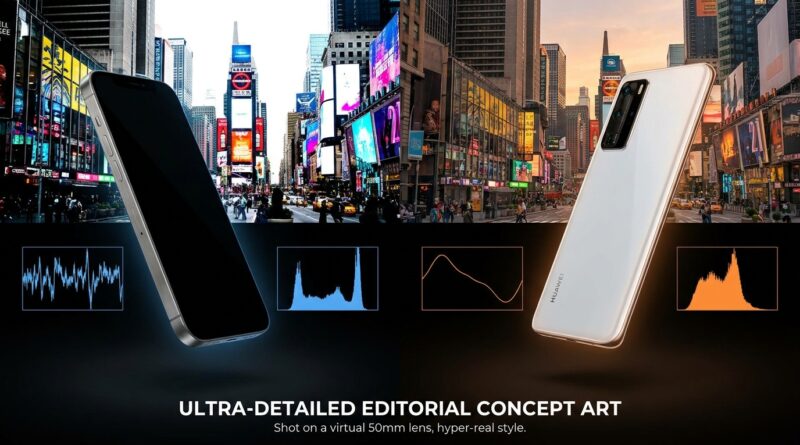
iPhone 18 Pro ‘LOFIC Copycat Hack’: The Quiet Dynamic‑Range Leak That Changes How You Actually Shoot Backlit Shots
You know the shot. Your friend is standing in front of a bright window, or your kid is under a sunset sky, and your iPhone has to choose. Keep the face. Blow out the sky. Save the sky. Turn the face into a shadow. That is why this iPhone 18 Pro HDR dynamic range leak matters more than the usual megapixel chest-thumping. The noise this week is about Huawei’s Mate 90 Pro Max and its LOFIC sensor tech, which on paper promises better highlight control in ugly, high-contrast scenes. In plain English, that means fewer ruined backlit photos and less of that fake-looking HDR cleanup after the fact. The leak does not prove Apple has copied anything yet, but it does suggest Apple knows the battleground has shifted. If you care about real photos, not spec-sheet trivia, this is the camera fight to watch. It could change whether you upgrade now, wait, or simply shoot a little smarter with the phone already in your pocket.
⚡ In a Hurry? Key Takeaways
- LOFIC-style sensor tech matters because it can hold onto bright skies and darker faces in the same shot better than current sensors.
- If you shoot lots of backlit people, sunsets, windows, concerts, or cars in harsh sunlight, waiting for the next iPhone camera jump may make more sense than chasing zoom alone.
- A leak is not a launch. Do not buy or skip a phone based only on rumor, but do use simple shooting tricks now to avoid blown highlights on your current iPhone.
Why this leak has people paying attention
Most phone camera stories are easy to ignore. More megapixels. Slightly longer zoom. Better marketing words. Fine.
This one is different because dynamic range is one of those things normal people notice right away, even if they do not know the term. It is the difference between a sunset that still has color and a white blob. It is the difference between seeing your child’s face by a bright window and getting a silhouette.
The core of the iPhone 18 Pro HDR dynamic range leak is simple. Huawei’s Mate 90 Pro Max is being talked about as using LOFIC sensor design to improve high-contrast shots. Now the chatter is that Apple cannot afford to look behind here, especially in premium phones where camera quality is supposed to justify the price.
What LOFIC actually means, without the engineer headache
LOFIC stands for Lateral Overflow Integration Capacitor. You do not need to memorize that.
What matters is what it tries to do. A camera sensor has a limited bucket for light. In bright scenes, that bucket fills fast. Once it is full, highlights clip. Gone. No cloud detail, no wedding dress texture, no subtle color in the sky.
LOFIC-style design gives the sensor a better way to handle overflow from those very bright parts of the image. Think of it like adding a spillover section to stop the main cup from splashing everywhere. The result, at least in theory, is more preserved detail in bright areas while still keeping useful shadow detail.
That is why people are excited. This is not just “more processing.” It is about fixing the problem earlier, at the sensor level.
Why current iPhones can still struggle in backlit shots
To be fair, iPhones already do a lot of heavy lifting with Smart HDR, Deep Fusion, image stacking, and tone mapping. Apple is very good at making difficult scenes look balanced.
But software has limits.
If the brightest parts of the image are already blown before the phone finishes all its magic, there is only so much software can rebuild. Sometimes the iPhone solves that by flattening the whole scene. You keep detail, but the photo can look a little processed. Skin can lose depth. Sunsets can lose drama. Faces near bright windows can look weirdly lifted.
That is the quiet issue under this leak. If Huawei is getting cleaner raw material from the sensor itself, Apple may need more than just smarter processing to keep up.
The real-world shots that would benefit most
People in front of windows
This is the classic phone-camera trap. A stronger dynamic range sensor could keep the person exposed properly without turning the outside world into a glowing white sheet.
Sunset portraits
Right now, many phones force a compromise. Save the sky or save the person. A better sensor gives you a better chance of keeping both natural.
Harsh midday travel photos
White buildings, reflective water, shiny cars, and dark shadows in the same frame are brutal. More headroom in highlights would help a lot here.
Concerts and stage lighting
Bright spotlights and dark backgrounds often fool phone cameras. Better dynamic range can mean fewer nuked highlights and more texture in faces and clothing.
Night scenes with signs and streetlights
Another common pain point. If the sensor can better contain bright light sources, the rest of the photo has a better chance of looking natural instead of muddy or smeared.
So is Apple really copying Huawei?
“Copycat” is the spicy internet word. The calmer version is this: smartphone camera brands all watch each other closely, and when one company makes a sensor-level move that solves a visible problem, the others pay attention fast.
That does not mean Apple is cloning one exact design feature line by line. It means Apple likely understands that dynamic range is becoming a bigger selling point than raw resolution for many buyers. If the leak is right, Apple’s answer may involve similar goals even if the engineering path is different.
That is normal in tech. Once users can see the benefit in everyday photos, everyone rushes there.
What this means if you are deciding whether to upgrade or wait
Wait if backlit photos annoy you all the time
If your camera frustration is mostly about tricky lighting, not zoom reach, this rumor matters. Dynamic range upgrades can improve more of your daily photos than a spec bump you only notice on vacation.
Upgrade now if your current phone is much older
If you are on an iPhone 13, 12, or older, you are not exactly stuck with a bad camera, but you may already gain a lot from a current Pro model. Waiting only makes sense if high-contrast scenes are your biggest problem and you are patient.
Do not expect miracles
Even a better sensor will not break physics. Tiny phone cameras still have limits. But this kind of upgrade is the sort that can make photos look better without you having to think about it every time.
How to shoot smarter on your current iPhone right now
Tap on the brightest part first
If the sky is the thing getting blown out, tap near the sky area and then slide exposure down a little. You may lose some shadow detail, but it is often easier to recover shadows than blown highlights.
Move the subject slightly
A tiny change in angle can do wonders. Step left. Have the person turn a bit. Put a tree, wall edge, or curtain between the bright light source and the lens.
Use Portrait mode carefully
Portrait mode is not a dynamic-range cure. In tough backlight, it can sometimes make edges and skin look stranger, not better. Take one regular shot too.
Try ProRAW if you like editing
If your iPhone supports Apple ProRAW, use it for difficult scenes. It will not save truly clipped highlights, but it can give you more room to recover tones naturally.
Shoot a burst of slight exposure changes
One normal. One a bit darker. One a bit brighter. It sounds fussy, but it works, especially on travel shots you cannot repeat.
Use the main camera when it counts
The main sensor is usually the strongest performer in ugly lighting. If the shot matters, avoid jumping straight to ultra-wide or long zoom unless you really need the framing.
What to watch for when the next iPhone camera details appear
Do not get distracted by megapixel headlines. Look for signs of these improvements instead:
- Better highlight retention in sample sunset photos
- Cleaner faces against bright windows
- Less crunchy HDR processing
- More natural transitions between bright skies and darker foregrounds
- Video HDR performance in mixed indoor-outdoor scenes
Those are the tells. If Apple really has a meaningful answer to this LOFIC pressure, that is where you will see it.
Why this fight matters more than another zoom war
Most people do not use 10x zoom every day. Most people do run into nasty lighting every week.
That is the reason this story has legs. Dynamic range is not a niche spec for pixel peepers. It touches family photos, food by a window, pets on a sunny floor, road trips, concerts, and holiday gatherings. It is one of the few camera improvements that regular users notice instantly, even if they never read a sensor chart.
At a Glance: Comparison
| Feature/Aspect | Details | Verdict |
|---|---|---|
| Dynamic range in backlit scenes | Huawei’s LOFIC talk suggests stronger highlight handling at the sensor level, while current iPhones rely heavily on processing to balance hard scenes. | Potential Huawei lead on paper, but Apple could narrow the gap if the leak is real. |
| Everyday photo impact | This affects windows, sunsets, concerts, travel shots, and bright outdoor portraits more than it affects studio-style photos. | A more useful upgrade for many people than extra megapixels. |
| Upgrade decision | If your current frustration is mostly lighting, waiting could pay off. If your phone is already several generations old, current Pro models still offer a strong jump. | Wait for confirmation, not rumor alone, but keep this feature high on your checklist. |
Conclusion
This helps the community right now because the Mate 90 Pro Max versus iPhone 18 Pro Max LOFIC chatter is landing at exactly the moment people are wondering whether to upgrade or sit tight. The big takeaway is simple. Your current iPhone is not bad, but there are some shots, especially backlit ones, where software can only do so much. A real sensor-level jump in dynamic range could fix one of the most annoying phone-camera problems people deal with every week. So do not just watch for zoom numbers and megapixels. Watch how the next iPhone handles windows, sunsets, stage lights, and bright skies. That is where the truth will show up. And until Apple makes it official, you can still shoot smarter today so you are ready to get the most from any sensor bump the second it arrives.