iPhone 18 ‘Split-Launch Upgrade Hack’: The Quiet Release-Date Leak That Changes When You Should Actually Buy Your Next iPhone
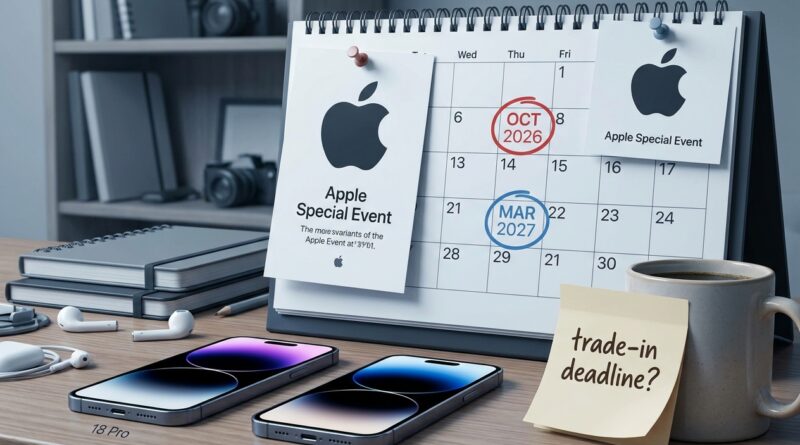
If you are already tired of iPhone leak season, I get it. Everyone is arguing about cameras, screen sizes, and benchmark scores, while the part that could actually cost you money is getting much less attention. The big issue is timing. The current iPhone 18 split release date leak suggests Apple may stop launching the whole lineup at once. Instead, the pricier models could arrive in Fall 2026, with the cheaper models showing up in Spring 2027. That sounds like a small scheduling tweak, but it is not. It changes when you should upgrade, what model makes sense, and how long you may end up feeling stuck with your choice. If you usually buy a new iPhone every September out of habit, this is the year to slow down and think. A split launch could mean the “safe” upgrade window is no longer the same for everyone.
⚡ In a Hurry? Key Takeaways
- The iPhone 18 split release date leak points to Pro models in Fall 2026 and standard models in Spring 2027.
- If you want the best value, do not upgrade on autopilot. Match your buying month to the model tier you actually want.
- Because these are still leaks, the smartest move is to avoid panic buying and plan around your current phone’s condition and trade-in value.
Why this leak matters more than another camera rumor
Most iPhone rumors are fun to read and easy to ignore. A new color. A faster chip. A slightly better zoom lens. Nice to have, sure, but not something that changes your whole buying plan.
This one does.
If the iPhone 18 family is really split into two launch windows, Apple is quietly breaking a routine people have followed for years. For a long time, the rule was simple. Wait for September, compare the lineup, buy the one you want, and move on.
Now that may no longer work.
The expensive phones, likely the Pro and Pro Max models, may land first. The cheaper standard models may come months later. So if you buy too early, you might pay more than necessary. If you wait too long, you might miss a good trade-in window. And if you are the kind of buyer who wants “the current iPhone” without overspending, this gets confusing fast.
What the iPhone 18 split release date leak is actually saying
Based on multiple roadmap and supply chain reports, the rough picture looks like this:
Fall 2026 wave
Apple may launch the premium iPhone 18 models first. Think Pro, Pro Max, and possibly any higher-end or special design variant.
Spring 2027 wave
The standard iPhone 18 models could arrive later, likely as the cheaper, mainstream options for people who do not need the best camera system or top-end features.
That means “the iPhone 18 launch” may not be one date at all. It may be two shopping seasons with two very different target buyers.
If you want a deeper look at how this timing shift could affect upgrades, iPhone 18 ‘Launch Gap Hack’: The Quiet Release‑Schedule Leak That Changes When You Should Actually Upgrade makes the same basic point in a very practical way. The calendar may become more important than the specs sheet.
The people most likely to make the wrong purchase
This leak matters most to people who buy iPhones in a predictable pattern.
1. The automatic September upgrader
If you always buy in the fall because that is “iPhone season,” you are at risk of buying the wrong tier. You could grab a Pro model simply because it is the new thing available, even though the standard model you would have preferred may not show up until spring.
2. The value shopper
If you usually want the regular iPhone, not the premium one, a fall 2026 upgrade could be bad timing. You may spend more for features you do not care about, or buy an older model just months before the real replacement arrives.
3. The trade-in maximizer
If you carefully time upgrades around trade-in value, this split could make things messy. The best trade-in offers may still cluster around fall, but the phone you actually want might not arrive until spring.
4. The person handing down phones in the family
Lots of households work like this. One person upgrades, then a spouse, teen, or parent gets the old phone. A split launch can throw off that rhythm, especially if one family member wants a Pro and another wants the cheaper model later on.
So when should you actually buy?
Here is the simple playbook.
Buy in Fall 2026 if you want the premium iPhone
If you already know you want the best camera, the top display, and the premium build, the fall launch still makes sense. Waiting for spring probably will not help much because the later phones are expected to be the lower-tier models.
This is the “buy early” group.
Wait for Spring 2027 if you usually buy the regular iPhone
If you normally skip the Pro line and go for the standard iPhone, patience could save you money and buyer’s remorse. A split launch means the best version of your buying strategy may be to ignore the fall hype completely.
This is the “do nothing now” group.
Hold your current phone if it still works fine
If your current iPhone is stable, has decent battery life, and still gets updates, waiting is often the smartest option. The more uncertain the launch calendar gets, the more useful patience becomes.
Buy sooner only if your current phone is failing
If your battery is awful, the screen is damaged, or your storage is constantly full, real life beats rumor logic. Do not suffer through six more months just to follow a leak-based buying plan.
A simple decision guide for normal people
Ask yourself these three questions.
Do I want Pro features, or do I just want a newer phone?
If you truly care about the best camera and premium extras, buy when the Pro arrives. If you mainly want reliability, battery life, and a modern phone that lasts years, waiting for the standard model is usually smarter.
Is my current iPhone frustrating me every day?
If yes, your upgrade window is now. If no, you have the luxury of timing the market instead of letting the market time you.
Will I feel annoyed if a cheaper, newer model appears a few months later?
Be honest here. A lot of buyer’s remorse comes from bad timing, not bad products.
Why Apple might do this in the first place
Apple has good business reasons to spread launches out.
It keeps attention on the iPhone line for more of the year. It can push premium buyers toward expensive fall models first. It may also help with manufacturing, supply planning, and sales pacing.
That makes sense for Apple.
It is less convenient for you.
For regular buyers, the old mental shortcut was easy. New iPhones come in September. Compare them all then. Done. A split launch removes that shortcut, which is why this leak matters so much more than a rumor about one more camera lens.
What not to do
There are a few traps to avoid.
Do not buy just because reviews are everywhere
Review coverage creates urgency. It also creates a false sense that all choices are now on the table. If only half the lineup has launched, that is not really true.
Do not assume the fall model is the best value
The first phone out is not always the right one for your budget. It is often just the one Apple wants you to look at first.
Do not treat leaks like confirmed launch invites
The iPhone 18 split release date leak is credible because several reports point the same way, but it is still a leak. Plans can shift. Manufacturing issues happen. Apple changes its mind.
My practical advice right now
If your current iPhone is fine, do not lock yourself into a fall 2026 upgrade out of habit. Start by deciding which type of iPhone buyer you are.
If you are a Pro buyer, fall is probably still your season.
If you are a standard-model buyer, spring may become your new sweet spot.
If you are not sure, wait longer than you usually would. This is one of those years where a little patience could save you money and regret.
At a Glance: Comparison
| Feature/Aspect | Details | Verdict |
|---|---|---|
| Expected launch timing | Premium iPhone 18 models may arrive in Fall 2026, while standard models may slip to Spring 2027. | Big change. Do not assume one all-at-once launch. |
| Best time to buy | Pro buyers should watch the fall window. Standard-model buyers may be better off waiting for spring. | Buy by model tier, not by habit. |
| Risk to shoppers | Upgrading too early could mean overpaying, missing the model you actually wanted, or feeling outdated within months. | High enough to justify waiting for clearer launch details. |
Conclusion
The strangest part of this iPhone cycle is not the chip, the camera, or the design. It is the calendar. Right now, multiple supply chain reports and roadmap leaks point to Apple splitting the iPhone 18 family into a premium Fall 2026 wave and a cheaper Spring 2027 wave. That quietly breaks an upgrade habit people have relied on for years. The good news is that you do not need to guess blindly. If you want the high-end phone, watch the fall launch. If you usually buy the regular model, waiting could be the smarter move. And if your current iPhone still does the job, patience may be your best upgrade hack of all. A little planning now can save you from waking up to a surprise second launch and a very avoidable case of buyer’s remorse.