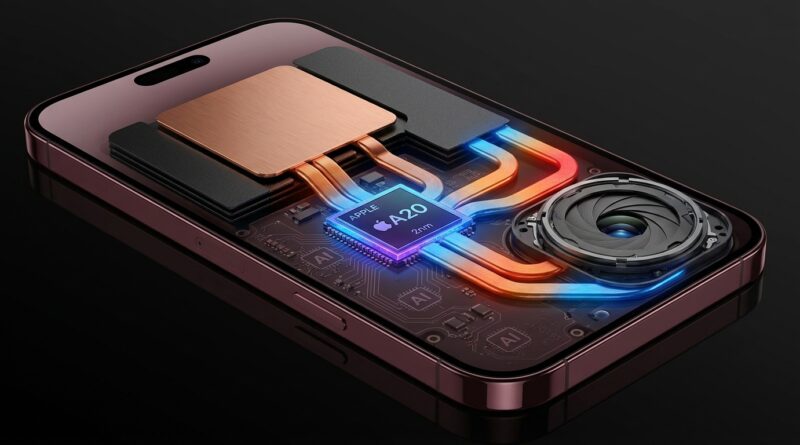
iPhone 18 Pro ‘Stealth AI’ Leak: A20 Chip, Mechanical Aperture And The Hidden Thermal Hack Behind Both
If you are already tired of iPhone 18 Pro hype, I get it. Every leak seems to focus on colors, thinner bezels, or the foldable model that may or may not show up. Meanwhile, the question that actually affects your day-to-day experience is much less flashy. How is Apple supposed to cool a 2nm A20 chip and a mechanical aperture camera inside a phone this thin? That matters because raw speed on a slide is not the same as real speed in your hand. If the iPhone 18 Pro A20 chip thermal leak chatter is pointing to tight heat limits, then heavier AI features, long gaming sessions, 4K video capture, and even a brighter display could all run into the same wall. The result would be familiar and annoying. Throttling, battery drain, hot surfaces, and a “faster” phone that only feels faster for a minute or two.
⚡ In a Hurry? Key Takeaways
- The big iPhone 18 Pro story may not be the A20 chip itself, but whether Apple has improved cooling enough to keep that performance going under load.
- When new leaks drop, watch for details on vapor chamber size, graphite layers, battery density, and camera module changes, not just benchmark claims.
- A cooler phone usually means better battery life, steadier frame rates, less throttling, and better long-term reliability.
The hidden problem behind the shiny leaks
A smaller chip process sounds like a free upgrade. In theory, 2nm should bring better efficiency and more performance than the chips before it. But phones do not live in theory. They live in pockets, hot cars, summer sunlight, gaming sessions, and long video calls.
That is where this gets interesting. A20 rumors and mechanical aperture camera leaks sound exciting on their own, but both create a thermal challenge. The chip produces heat when pushed. The camera system can also add thermal stress through image processing, stabilization, and moving parts packed into a tiny space.
Apple can make the A20 amazingly fast. That does not automatically mean the iPhone 18 Pro will feel meaningfully faster for sustained tasks. If the phone cannot shed heat fast enough, iOS will simply pull performance back to protect the hardware.
Why “2nm” does not magically solve heat
Smaller chips can still run hot
This is the part that often gets lost. A smaller manufacturing process can improve efficiency, but companies also use that extra headroom to add more features, more transistors, and more AI processing. So yes, 2nm can help. But it can also invite bigger workloads that eat up the same thermal budget.
Think of it like putting a more efficient engine in a compact car, then asking it to tow more weight uphill. The engine may be better, but the job got harder too.
AI workloads are different from quick benchmark bursts
A lot of phone marketing still relies on short performance tests. Those are useful, but they only tell part of the story. On-device AI features tend to run in repeated, sustained bursts. Photo cleanup, live translation, image generation, smarter Siri tasks, video analysis, and app-level AI helpers can all keep the chip busy longer than a simple app launch test.
If that happens, heat starts to stack up. Once that stack gets too high, the phone has to slow down. That is throttling. You may not see a warning, but you will feel it in stutters, dimmer brightness, or battery drop.
The mechanical aperture rumor is cooler than it sounds. And hotter too.
A mechanical aperture would be a big camera step because it could let the lens physically control how much light comes in, instead of relying so heavily on software tricks. In simple terms, that can help with low-light shots, highlight control, and depth effects.
But there is a catch. Better camera hardware usually means more internal competition for space. A moving aperture system needs room. Room taken by camera hardware is room not available for battery, graphite layers, or a larger vapor chamber.
Then there is processing. More advanced camera hardware often comes with heavier computational photography. That means the phone may shoot, analyze, merge, sharpen, denoise, and tone-map faster and more often. All of that can create heat.
So the camera leak is not separate from the chip leak. They are connected. The more Apple asks the camera and A20 to do at once, the more important cooling becomes.
The “hidden thermal hack” Apple may need
Vapor chamber cooling
If there is one leak detail worth watching, it is whether Apple gives the iPhone 18 Pro a more serious vapor chamber cooling setup. Android gaming phones and some flagship models have leaned harder on this because it spreads heat more efficiently than simpler approaches.
Apple has traditionally been careful about internal design tradeoffs, but a stronger cooling system would make a lot of sense if the company wants sustained AI performance without turning the phone into a hand warmer.
Thicker graphite and better heat spreading
Not every thermal fix needs to be flashy. Better graphite layers, smarter internal placement, tighter contact between hot components and the frame, and redesigned shielding can all help move heat away from the chip and camera area.
These changes rarely make the keynote. They matter anyway.
Using the chassis as a heat path
Apple is very good at making the body of a device help with heat movement. The downside is obvious. If the frame helps spread heat, your hand may feel it sooner. That is not always bad. Sometimes a warmer frame means the phone is successfully moving heat away from the chip. The problem starts when the device gets hot enough to become uncomfortable or starts dimming and slowing down.
Why this matters more than color options or a thinner Dynamic Island
People keep asking if the iPhone 18 Pro will be “worth it.” That answer depends less on peak benchmark scores and more on sustained behavior. Can it hold frame rates in demanding games? Can it record long video clips without dimming or overheating? Can it run future AI features without chewing through battery?
This is also why delays and thermal concerns often show up together in the rumor cycle. If Apple is pushing a 2nm transition and trying to balance power, yield, and cooling at the same time, timing can slip. That is part of why iPhone 18 Delay Leak: How Apple’s 2nm Chip Gamble Could Push Back The Next Big Release is worth reading alongside the current thermal chatter. A chip gamble is not just about speed. It is about whether the whole phone can support that speed reliably.
What smart upgraders should watch for in future leaks
1. Vapor chamber thickness
This sounds nerdy, but it is the kind of detail that can tell you more than a benchmark screenshot. A larger or thicker vapor chamber usually points to Apple taking sustained load seriously.
2. Graphite stack changes
If leakers mention revised graphite layers or wider internal heat spreaders, pay attention. That is often the quiet fix that keeps a flagship usable under pressure.
3. Battery size versus cooling tradeoffs
Internal space is limited. If the camera module gets larger and the phone stays thin, something else has to give. If cooling expands, battery room may shrink. If battery grows, cooling may stay tight. The best leaks will hint at which compromise Apple chose.
4. Display brightness limits
Brighter displays look great in marketing. They also add heat. If reports suggest Apple had to cap or carefully manage brightness under sustained use, that can be a clue the thermal budget is already crowded.
5. Dynamic Island shrink tradeoffs
A smaller cutout may sound like pure progress, but it can shift internal layout in ways that affect heat spreading and component placement. Sometimes a cosmetic improvement creates engineering pressure elsewhere.
What this could mean in real life
If Apple gets the thermal design right, the iPhone 18 Pro could be one of those rare upgrades that feels better in all the boring, important ways. Better sustained speed. Better battery life under stress. Better camera consistency. Fewer heat warnings.
If Apple gets it wrong, the phone could still post great benchmark numbers and look impressive in ads, while feeling only slightly better than a 17 Pro during real use. Worse, repeated heat cycles can affect battery health and long-term comfort. That is the kind of problem you do not notice on launch day, but definitely notice a year later.
At a Glance: Comparison
| Feature/Aspect | Details | Verdict |
|---|---|---|
| A20 2nm chip | Likely better efficiency and peak performance, but only if Apple can manage sustained heat from AI, gaming, and video tasks. | Promising, but not an automatic real-world win. |
| Mechanical aperture camera | Could improve image control and low-light performance, while also taking up internal space and adding processing demands. | Exciting feature with hidden thermal costs. |
| Cooling system changes | Vapor chamber upgrades, graphite stack revisions, and internal layout changes may decide whether the 18 Pro feels fast consistently. | This is the leak category to watch most closely. |
Conclusion
The iPhone 18 Pro A20 chip thermal leak story matters because it cuts through the hype and gets to the part you will actually live with. A 2nm chip and variable aperture camera sound like obvious upgrades, but buried thermal limits could still block brighter displays, heavier AI workloads, and steady long-session performance. Looking at cooling, sustained frame rates, battery drain, and long-term reliability gives you a much more honest picture of whether the 18 Pro will truly feel faster than a 17 Pro, or just look better on a chart. It also gives serious upgraders better questions to ask now, like vapor chamber thickness, graphite stack changes, and Dynamic Island tradeoffs, instead of blindly refreshing pre-orders. That is a much smarter way to read leaks.