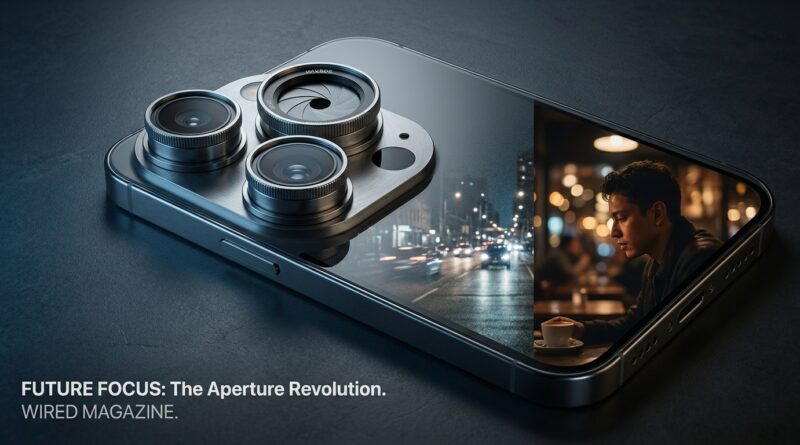
iPhone 18 Pro Max ‘Variable Aperture Hack’: The Sony IMX905 Leak That Quietly Turns Your Phone Into A Pocket DSLR
You are not crazy for feeling stuck here. Every year we hear that the next iPhone camera will be “huge,” “pro,” and “game changing,” yet regular people still just want to know one thing. Will my night photos, portraits, and concert videos actually look better, or am I paying for another fancy demo slide? The new iPhone 18 Pro Max variable aperture Sony IMX905 leak matters because this sounds less like routine spec inflation and more like a real hardware jump. If the leak is right, Apple is not only swapping in a newer Sony main sensor, but also adding true mechanical aperture control. That is a bigger deal than it sounds. It could mean cleaner low-light shots, less overprocessed background blur, and more control in tricky scenes where current iPhones still lean too hard on software. The short version is simple. For some people, this is worth waiting for. For others, not even close.
⚡ In a Hurry? Key Takeaways
- The iPhone 18 Pro Max variable aperture Sony IMX905 leak points to a real camera hardware upgrade, especially for low light, portraits, and video in difficult lighting.
- If you already own an iPhone 17 Pro or 16 Pro and mostly shoot in daylight, you can safely keep what you have. If you care about night shots, concerts, or natural blur, waiting could make sense.
- Do not expect DSLR magic from a phone. This looks promising, but Apple will still rely heavily on image processing, and a rumored price hike could shrink the value.
What the leak actually says, in plain English
The fresh leak cycle points to two things. First, Apple is said to be moving to a Sony IMX905 main camera sensor on the iPhone 18 Pro Max. Second, diagnostics logs and supply-chain chatter tied to the Tata Electronics dump suggest real variable aperture hardware, not just software pretending to do it.
That matters because these are two different improvements working together.
The sensor is the part that captures light. A better, larger, or more advanced sensor can pull in more detail, handle shadows better, and reduce that muddy look you sometimes get in dim restaurants, bars, bedrooms, and live events.
The aperture is the opening that lets light into the camera. A variable aperture means the phone can physically open wider or close down more depending on the scene. That gives the camera more flexibility before software steps in.
Why “variable aperture” is a bigger deal than it sounds
Most people hear “aperture” and tune out. Fair enough. Here is the practical version.
When the aperture opens wider
More light comes in. That helps in dark scenes. Your phone can use a faster shutter speed or lower ISO, which can reduce blur and noise. In real life, that means:
- Sharper photos of kids and pets indoors
- Less smeary concert video
- Better night street shots
- Fewer blown-out neon signs with crushed shadows
When the aperture closes down
Less light comes in, but more of the scene can stay in focus. That is useful in bright daylight or when you want a group shot where faces at slightly different distances all look sharp.
It can also help Apple avoid some of the fake-looking portrait blur that current phones create with software edge detection. Hair, glasses, and busy backgrounds are where phones still mess up. A real optical change gives Apple better raw material to work with.
What the Sony IMX905 could mean for normal users
Sensor names sound like robot parts, but they do matter. If the Sony IMX905 leak holds up, the best-case result is not just “more megapixels” or “better detail.” It is cleaner information going into Apple’s image pipeline.
Think of it like cooking with fresher ingredients. Apple can still overdo the seasoning, and sometimes it does, but starting with a better sensor usually helps in three areas people notice right away.
1. Night photos
This is the biggest reason to care. Current iPhones are already very good, but they often brighten night scenes so much that they stop looking like night. Dark skies turn gray. Faces get waxy. Shadows lose depth.
A stronger sensor plus a wider physical aperture could improve low-light capture before Apple starts pushing its Night mode processing. If Apple keeps some restraint, the result could be more natural night photos with better texture and less blotchy noise.
2. Portraits
Phone portraits still look great on small screens, but up close you can often spot the tricks. Ears get blurred strangely. Hair gets chopped up. Background objects melt in weird ways.
Real aperture control will not make an iPhone into a full-frame camera, but it could create more believable depth and make software portraits less aggressive. That is especially useful for food shots, pet photos, and close-up portraits in cafes or at home.
3. Concert and event video
This may be the sleeper upgrade. Concert clips are brutal for phones. You have moving subjects, colored lights, deep shadows, bright spotlights, and shaky hands all at once.
If the iPhone 18 Pro Max can physically open up more in low light, it may hold detail better without turning the whole frame into a noisy watercolor painting. If it can stop down in certain bright stage moments, it may also handle blown highlights better.
Will it feel like a DSLR?
This is where the phrase “pocket DSLR” needs a reality check.
No, your iPhone is not turning into a true DSLR replacement for everyone. Physics still matters. A dedicated camera with a much larger sensor and interchangeable lenses will still beat a phone in many situations.
But the leak does point to something more meaningful than typical smartphone camera talk. Variable aperture is one of those features that can improve photos before software starts guessing. That is why camera nerds care about it.
For a regular person, the benefit is simpler. The phone may make fewer weird decisions in difficult lighting.
Who should wait for the iPhone 18 Pro Max
You should seriously consider waiting if most of these sound like you:
- You have an iPhone 15, 16, or older and use the camera a lot
- You often shoot at night, indoors, or at events
- You are annoyed by fake-looking portrait blur
- You post a lot of video to Instagram, TikTok, or YouTube
- You were already thinking about buying the next Pro Max anyway
For these people, the iPhone 18 Pro Max variable aperture Sony IMX905 leak is not just another rumor. It points to a camera-first reason to wait.
Who should just buy now and stop stressing
You probably do not need to wait if this sounds more like you:
- You mostly shoot outside in daylight
- You rarely zoom in or edit your photos
- You already have an iPhone 17 Pro or 16 Pro and like the results
- You care more about battery life, price, or storage than camera experiments
- You need a phone now because your current one is cracked, dying, or unreliable
For these buyers, waiting another year for a maybe-better camera can turn into a long, expensive game. The best phone is often the one you can use today without babying it.
The honest catch: price matters
This leak is exciting, but there is a value problem hanging over it. If Apple adds more advanced hardware and pushes the Pro Max even higher in price, the upgrade math changes fast.
A better camera is nice. A better camera plus a big price jump is a tougher sell, especially if your current phone is already good enough for social media and family photos.
That means the question is not only “Is it better?” It is “Is it enough better for the extra money?”
For iPhone 15 owners, maybe yes. For iPhone 16 Pro and 17 Pro owners, it depends heavily on how much you care about low light and video.
My practical read on the leak
Here is the plain answer. This looks more meaningful than the usual annual camera rumor.
The reason is simple. Sensor upgrades are useful. Real variable aperture is useful. Put them together, and you have the chance for actual image quality gains people can notice without pixel peeping.
That does not guarantee Apple will nail the tuning. Sometimes Apple’s camera software can overprocess even very good hardware. But if the leak is accurate, this is the kind of upgrade that could show up in everyday use, not just side-by-side lab tests.
Keep or upgrade decision guide
If you have an iPhone 15 Pro Max
Waiting makes a lot of sense if camera quality is your main reason to upgrade. Two generations is usually where Apple’s improvements begin to stack up in a way you can actually feel.
If you have an iPhone 16 Pro Max
This is the gray zone. If you are happy with your photos, keep it. If you often shoot in dark places and get frustrated, the iPhone 18 Pro Max could be the more noticeable jump.
If you have an iPhone 17 Pro Max
Unless low-light shooting is a huge part of your life, I would not rush. The camera may improve, but one-year upgrades are usually poor value unless you are very focused on photography.
If you have a standard iPhone 15, 16, or older non-Pro model
The case for waiting is stronger because the jump would include both a newer generation and a move up to the Pro Max camera system.
At a Glance: Comparison
| Feature/Aspect | Details | Verdict |
|---|---|---|
| Low-light photos | Sony IMX905 plus real variable aperture could capture cleaner detail with less noise and less heavy Night mode processing. | Most likely real-world improvement |
| Portraits and background blur | Mechanical aperture could give Apple more natural depth information, helping portraits look less fake in tricky scenes. | Promising, but still partly software-dependent |
| Upgrade value | Worth waiting for if you own an iPhone 15 or older and care about camera quality. Harder to justify from a 16 Pro or 17 Pro if prices rise. | Wait if camera matters. Buy now if you just need a phone. |
Conclusion
The reason this leak matters right now is that it finally gives people something more useful than marketing fog. The fresh signs from the Tata Electronics data dump and diagnostics logs suggest the iPhone 18 Pro Max is not just getting another routine camera tweak. It may be getting a meaningful sensor swap and real mechanical aperture control that could improve night photos, portraits, and concert video in ways normal users would actually notice. If you are holding an iPhone 15 and feeling underwhelmed by low-light shots, waiting could be smart. If you already have a 16 Pro or 17 Pro and mostly shoot in easy lighting, you can relax and keep your money for now. That is the real value here. Not hype, not buzzwords. Just a clear keep-or-upgrade camera decision while everyone else is still repeating the keynote language before the keynote even happens.