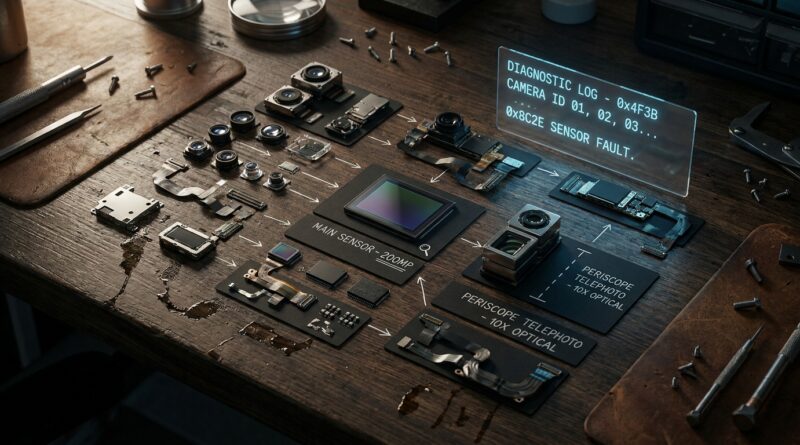
iPhone 18 Pro ‘Camera Log Hack’: The Diagnostics Leak That Quietly Confirms Apple’s Real Pro Photography Specs
If you are exhausted by every new iPhone rumor promising a “huge camera jump,” you are not alone. Most of the chatter around the iPhone 18 Pro and Pro Max has been weirdly vague. Better low light. Better zoom. More “pro.” That kind of talk is great for hype, but terrible if you actually want to know whether the phone will improve your photos. The interesting part of this latest leak is that it did not come from a flashy render or a supply chain whisper. It came from what looks like a diagnostics log, the sort of backend data that usually tells a much more honest story. If the leak is real, it points to specific hardware behavior, not just marketing language. That matters, because things like sensor size, variable aperture steps, telephoto crop limits, and video bit-depth have a real effect on what you can shoot, especially if you care about portraits, concerts, night shots, or mobile filmmaking.
⚡ In a Hurry? Key Takeaways
- The iPhone 18 Pro Max camera leak diagnostics log specs suggest Apple’s real upgrade is in sensor behavior and lens control, not just megapixel bragging.
- If you shoot in low light, portraits, or ProRes-style video, watch the main sensor size, variable aperture range, and telephoto crop limits before deciding to upgrade.
- Treat this leak as strong evidence, not final fact. Diagnostics logs are usually more grounded than rumor posts, but Apple can still change tuning before launch.
Why this leak matters more than the usual rumor cycle
Most phone leaks fall into two buckets. The first is cosmetic. Colors, button layouts, case molds. The second is wishful thinking dressed up as insider info. What makes this one more useful is that a diagnostics log usually exists to help engineers test camera modules, image pipelines, and lens behavior.
That means you are not just seeing somebody claim “upgraded telephoto.” You are seeing clues about how the phone is configured to behave. That is a big difference.
For camera nerds, this is where the fun starts. For normal buyers, this is where the nonsense starts getting filtered out.
What the diagnostics log appears to confirm
1. The main camera upgrade looks more physical than cosmetic
The biggest takeaway is that Apple may be improving the main sensor in a way that actually changes image quality at capture, not just after software processing. A larger or more efficient sensor means more light gathered per shot. In plain English, that usually means cleaner night photos, better highlight control, and less of that smeared look when the phone has to rescue a dark image.
If this log is accurate, the iPhone 18 Pro line is not just doing more computational photography. It may be starting with better raw data. That is the part professionals care about most.
2. Variable aperture may be real, and more useful than it sounds
Variable aperture has floated around phone rumors for a while, often in a half-baked way. The diagnostics leak suggests Apple may be testing distinct aperture states on the main camera, rather than a fake software-only blur trick.
Why should you care? Because aperture affects how much light enters the lens and, to a smaller but still real extent on phones, how depth and sharpness are handled. A wider aperture helps in low light. A narrower one can improve edge consistency in bright scenes and may help close-up shots look less messy.
This is the kind of feature marketing teams often flatten into one sentence, even though it changes real-world shooting more than a megapixel jump ever could.
3. The telephoto story is more complicated than “more zoom”
The leak also points to telephoto limits and crop behavior. This is important because smartphone zoom numbers are often a mess. You get one optical focal length, then a mix of sensor crop, AI cleanup, and marketing math.
If Apple’s internal logs are exposing crop thresholds or specific handoff points, that tells us where the camera may stop being truly optical and start leaning harder on processing. That matters if you shoot kids on a stage, wildlife in a park, or sports from the bleachers.
A phone can advertise impressive zoom. The better question is this. At what point do the photos stop looking naturally detailed?
4. Low-light gains may come from multiple small changes working together
Low-light quality is rarely about one magic part. It is a mix of sensor sensitivity, lens brightness, stabilization, exposure timing, and image processing. The diagnostics leak seems to hint at improvements across that whole chain.
That is good news, because balanced upgrades age better than one flashy spec. A bigger sensor with smarter aperture control and improved telephoto stabilization can make a much bigger difference than a huge megapixel claim that only helps in bright daylight.
What this probably means in actual use
For casual shooters
If you mostly take family photos, pets, food, vacations, and random night shots, the main thing to watch is whether the iPhone 18 Pro gets more reliable. Not just prettier demo shots. More keepers. Less blur indoors. Less blown-out sky behind a person. Less muddy zoom at a school play.
That is where these leaked hardware hints matter most.
For creators and mobile filmmakers
This is where the iPhone 18 Pro Max camera leak diagnostics log specs become genuinely interesting. If the main camera gets a better sensor and the log also points to stronger recording modes or cleaner log capture, creators could see a noticeable jump in usable footage.
Not cinematic because Apple says so. Cinematic because the footage survives editing better.
If you grade your video, shoot in mixed lighting, or push shadows in post, sensor quality and lens behavior matter a lot more than social media hype. The same goes for telephoto consistency. A great zoom module is not just about distance. It is about matching the look of the main camera well enough that clips can cut together without screaming “different lens.”
What to stay skeptical about
Even good leaks have limits. A diagnostics log can show test values, module IDs, and enabled functions, but it does not guarantee the final shipping behavior. Apple can still tweak software processing, lock certain modes to the Pro Max, or tune features so aggressively that the hardware advantage becomes less obvious than expected.
There is also the classic Apple issue of feature segmentation. Sometimes the better hardware is there, but the best experience is reserved for one model, one codec, or one shooting mode.
So yes, this leak is more meaningful than random rumor posts. No, it is not a final review.
Should you upgrade or hold?
Upgrade if
You use your iPhone as a real camera. That means frequent low-light shooting, portrait work, event coverage, travel photography, or serious video. If your current phone struggles with indoor motion, noisy telephoto shots, or weak nighttime detail, the changes hinted at here could be worth waiting for.
Hold if
You already have a recent Pro iPhone and mostly shoot in good lighting. If you post to Instagram, text photos to friends, and rarely zoom hard or edit files, the practical difference may be smaller than rumor culture wants you to believe.
That is not a criticism. It is just a reminder that “pro camera” features only matter if they solve your actual problem.
The bigger story Apple probably will not say on stage
Apple loves to talk about camera systems in polished, emotional language. Fair enough. But the real story for enthusiasts is usually hidden in sensor area, lens transmission, stabilization behavior, and processing headroom. Those are not glamorous keynote slides, but they are what decide whether your photo survives a difficult scene.
This diagnostics leak quietly shifts the conversation from “Will it be better?” to “How exactly will it be better?” That is the right question.
At a Glance: Comparison
| Feature/Aspect | Details | Verdict |
|---|---|---|
| Main sensor | Leak suggests a more meaningful sensor-level improvement, likely aimed at better dynamic range and low-light capture. | Potentially the most important upgrade. |
| Variable aperture | Diagnostics hints point to real aperture states, which could improve flexibility in bright and dim scenes. | More useful than it sounds, if Apple exposes it well. |
| Telephoto zoom limits | Leak appears to reveal crop boundaries and where image processing may take over from true optical reach. | Important for creators and anyone who actually uses zoom. |
Conclusion
The smartest thing about this leak is that it moves the discussion away from empty phrases and toward real camera behavior. That helps the community right now, especially creators trying to decide whether to upgrade or sit this cycle out. If the diagnostics log is accurate, the iPhone 18 Pro and Pro Max could offer genuine gains in sensor size, variable aperture behavior, telephoto limits, and low-light performance. Those are the details that shape your photos long before Apple’s marketing team starts naming features. So if you have been burned by rumor hype before, you are asking the right question this time. Not “Is it exciting?” but “Will it help me shoot better?” Based on this leak, there is finally a useful reason to pay attention.