Unpatchable iPhone Exploit Leak: How ‘usbliter8’ Quietly Changes Apple’s iOS 27 Security Playbook
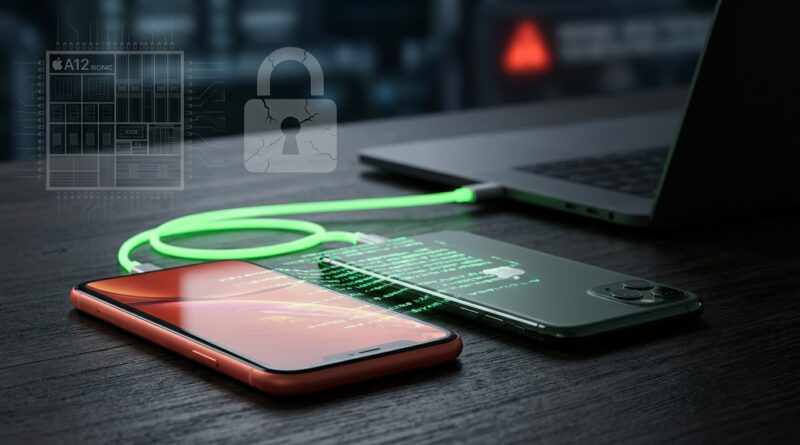
“Unpatchable exploit” is the kind of phrase that makes normal iPhone owners instantly nervous, and fair enough. If you are using an iPhone XS, XR, 11, 11 Pro, or 11 Pro Max, seeing usbliter8 tied to A12 and A13 chips probably sounds like your phone just became unsafe overnight. The good news is that is not what this leak means. usbliter8 matters because it appears to target the bootrom, which is very early code baked into the chip itself. If that code has a flaw, Apple cannot fully fix that specific flaw with a normal iOS update. But “cannot patch” does not mean “hackers can now break into your phone from across the room.” For most people, this is more of a jailbreak and security research story than an everyday panic story. The real question is not whether your iPhone is doomed. It is what this exploit can actually do, and what you should do next.
⚡ In a Hurry? Key Takeaways
- usbliter8 is serious security news, but it does not mean your A12 or A13 iPhone is suddenly easy to hack remotely.
- If your phone is affected, keep iOS updated, use a strong passcode, and do not connect it to untrusted computers or tools.
- This exploit is most important to jailbreakers, researchers, and forensic folks. Regular users should stay alert, not scared.
What usbliter8 actually is
The short version is this. usbliter8 is being discussed as a bootrom exploit for Apple’s A12 and A13 chips. That puts it in the same general family of security stories as checkm8, the famous older bootrom exploit that helped power years of jailbreak work on older devices.
Bootrom is the very first code a chip runs when the device starts. Think of it like the locked front gate before the rest of the operating system even wakes up. If there is a bug there, it is a big deal because that code is burned into the hardware. Apple can work around some things later in software, but it cannot simply rewrite the chip’s bootrom through a regular iOS update.
That is why people keep using the word “unpatchable.” Technically, it points to the hardware-level nature of the flaw. Emotionally, it makes it sound like your phone is permanently broken. Those are not the same thing.
Which iPhones are believed to be affected
If the reports around usbliter8 hold up, the focus is on Apple devices using A12 and A13 chips. For everyday buyers, that usually means:
A12 devices
iPhone XS, iPhone XS Max, and iPhone XR.
A13 devices
iPhone 11, iPhone 11 Pro, and iPhone 11 Pro Max.
This is why the story is getting so much attention. These are not ancient museum pieces. Many people still use them every day, and some can still run current iOS releases. That makes the usbliter8 iPhone exploit A12 A13 unpatchable story feel a lot more personal than older exploit news.
Why this is different from a normal iOS security bug
Most iPhone security bugs live in software. Apple finds them, patches them, ships a new iOS update, and that is the end of it for most users.
A bootrom exploit is different. It sits lower than iOS. Much lower. If the bug is real and practical, it can give researchers or attackers a starting foothold before the normal operating system protections fully come into play.
That said, there is an important limit people often miss. A bootrom exploit still usually needs physical access, a cable, a specific process, and a supported path to trigger it. It is not the same as a remote spyware chain that infects you from a message or website.
So, is your iPhone a ticking time bomb?
For most people, no.
This is the part where the internet tends to get messy. “Unpatchable” sounds terrifying, but the realistic risk depends on who you are and how your phone is exposed.
Low risk for most regular users
If your iPhone stays in your possession, has a strong passcode, and is not being plugged into random computers, usbliter8 is unlikely to change your daily life much. There is no sign that average people are suddenly open to easy remote attacks just because this exploit exists.
Higher interest for special targets
If you are a journalist, executive, activist, public figure, or someone who may face targeted device seizure or advanced forensic work, then this kind of exploit matters more. Physical access attacks are a lot more relevant in those cases.
Very high interest for jailbreak fans
If you follow jailbreak news, this is the juicy part. A hardware-level exploit on still-supported devices can become a foundation for future tools, even if it does not instantly turn into a one-click public jailbreak.
What Apple can and cannot do
Apple cannot go back in time and rewrite the bootrom on chips already sold. That is the “cannot patch” part.
But Apple is not powerless either. The company can still harden iOS, block later stages of an exploit chain, reduce what attackers can do after initial access, improve USB restricted mode, and change how future devices are designed. In other words, Apple may not be able to erase the original flaw, but it can make life a lot harder for anyone trying to turn that flaw into a practical attack.
What this means for iOS 27 security
This is where the playbook changes. For years, the common assumption was that Apple had moved past the era of new public bootrom shocks on modern, still-supported phones. usbliter8 challenges that idea.
For iOS 27 and beyond, Apple now has to think not just about patching software bugs quickly, but about how to contain hardware-rooted weaknesses on devices it still supports. That can shape everything from USB access rules to restore behavior to how recovery and DFU-related pathways are handled.
For users, the lesson is simpler. New iOS versions still matter, even when the scary headline says “unpatchable.” Updates may not remove the chip bug, but they can still reduce the real-world danger around it.
What you should do if you own an A12 or A13 iPhone
You do not need to throw your phone in a drawer. You do need basic security habits.
1. Keep iOS updated
Yes, even here. Software protections still matter a lot.
2. Use a strong passcode
Skip the easy 4-digit code if you can. A longer numeric code or alphanumeric password is better.
3. Turn on Stolen Device Protection and Find My
These features help limit damage if your phone is stolen or taken out of your control.
4. Be picky about cables, computers, and repair tools
If an exploit needs a wired connection and a special process, then your defense is simple. Do not hand your phone to shady kiosks, unknown service stations, or random laptops.
5. If you are high-risk, tighten physical access
Do not leave your phone unattended. Rebooting a device before crossing a border or entering a risky situation may also be part of a broader security routine, depending on your threat level.
Should you avoid buying a used iPhone XS or iPhone 11 now?
Not automatically. But this leak does change the math a bit.
If you are buying used for value and just need a reliable phone, an iPhone 11 can still make sense if the price is right and the battery health is decent. If you are extra cautious about long-term security, though, this news is one more reason to look at newer hardware when your budget allows.
That is really the practical takeaway. usbliter8 does not make these phones worthless. It just means their security story is now more complicated than it was last week.
What jailbreak-curious readers should keep in mind
This is where hype can run way ahead of reality. A leaked exploit is not the same as a polished jailbreak tool. There can be technical limits, missing pieces, unstable methods, and legal or ethical issues around distribution.
If your first thought was, “Great, free jailbreak,” slow down. The fastest downloads after news like this are often fake, malicious, or both. Wait for trusted researchers and established communities to confirm what is real.
The biggest myth to ignore
The biggest bad take is this. “Unpatchable means Apple users are helpless now.”
That is wrong.
Security is layers. Hardware matters. Software matters. Passcodes matter. Physical control matters. Risk level matters. A bootrom exploit is serious because it weakens one of those layers in a deep way. It does not erase every other layer overnight.
At a Glance: Comparison
| Feature/Aspect | Details | Verdict |
|---|---|---|
| Affected devices | A12 and A13 iPhones, mainly iPhone XS, XR, and iPhone 11 family | Important if you own one |
| Can Apple fully patch it? | Not if it is truly a bootrom flaw burned into the chip | Hardware-level issue, but software defenses still help |
| Real-world danger for average users | Usually requires physical access and technical steps, not a simple remote hack | Stay cautious, not panicked |
Conclusion
usbliter8 is a big story because it is the first new unpatchable iPhone bootrom exploit since checkm8, and it appears to touch chips that are still alive in the current iPhone world. That is exactly why the headlines feel so much scarier than the day-to-day reality. If you own an iPhone XS through iPhone 11, this does not mean your phone is suddenly unsafe to use. It means the security picture is more nuanced. Apple cannot fully erase a hardware bug like this with a simple update, but it can still strengthen the software around it, and you can still do a lot to protect yourself with smart habits. For most readers, the right move is simple. Keep your phone updated, guard physical access, ignore the panic posts, and use this news as one more piece of information when planning your next upgrade.