How to Decode Today’s iPhone Fold Leaks Like a Pro (Before Apple Says a Word)
You are not imagining it. The iPhone Fold rumor mill is especially messy right now. One post says Apple has cracked the crease problem. Another shows shiny renders that look final, even though they may be based on little more than guesswork. If you are trying to decide whether to buy an iPhone 17 or 17e soon, that noise gets expensive fast. Here is the simple truth. The latest iPhone Fold leaks 2026 chatter looks more real than random fantasy, but it still points to a phone that is probably not close enough for most people to wait. What matters is not just one flashy render or one supply-chain whisper. It is whether different sources, with decent track records, keep lining up on the same basic story. Right now, they mostly do on three points: a book-style fold, an inner screen around 7.8 inches, and a launch window that looks more like late 2026 than anytime soon.
⚡ In a Hurry? Key Takeaways
- The iPhone Fold looks increasingly real, but current leaks still point to late 2026, so most buyers should not delay an iPhone 17 or 17e purchase now.
- Trust leaks more when multiple reliable sources agree on boring details like size, design, and timeline, not just dramatic renders.
- Renders are not the same as finished hardware. Treat them as visual guesses unless they are backed by solid reporting and supply-chain signs.
How to read iPhone Fold rumors without getting fooled
The easiest way to decode Apple rumors is to stop asking, “Does this look convincing?” and start asking, “Who is saying it, and what exactly are they claiming?”
That small shift helps a lot. A polished image on TikTok can feel more real than a dry analyst note, but the dry note is often the one that matters.
Rule 1: Separate renders from reporting
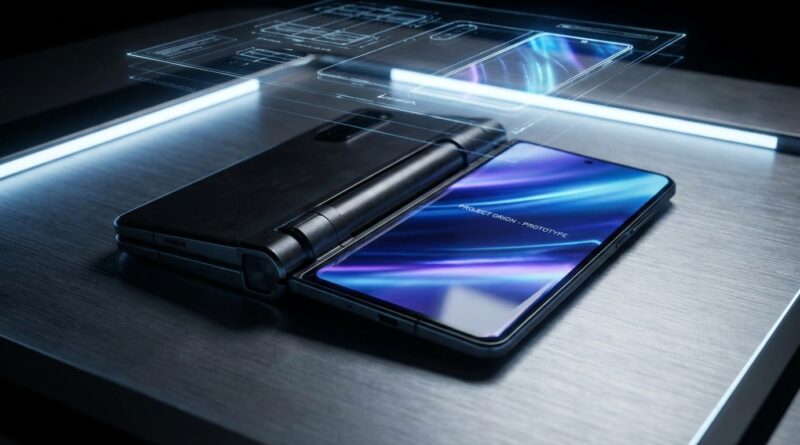
Many of the new images making the rounds are CAD-based renders. That sounds technical, and sometimes it is. But “CAD-based” does not automatically mean “final Apple design.” It usually means a designer has created visuals from leaked dimensions, supply-chain chatter, or educated assumptions.
Useful? Yes. Proof? No.
Think of renders like courtroom sketches. They can help you picture the story, but they are not the story itself.
Rule 2: Look for overlap, not hype
The strongest rumors are the ones that keep showing up from different corners. Right now, the overlap is pretty consistent. Several reports keep circling the same ideas:
- A book-style fold, more like a Galaxy Z Fold than a flip phone
- An inner display around 7.8 inches
- A push to reduce or nearly hide the screen crease
- A launch window leaning toward late 2026
That does not mean every detail is locked. It does mean the broad outline looks more believable than a one-off rumor.
What seems believable in the latest iPhone Fold leaks 2026 cycle
The 7.8-inch display rumor
This is one of the more believable pieces because it keeps coming back. A screen in the high-7-inch range makes sense for a book-style foldable. It would let Apple offer a phone that opens into something close to a small iPad mini experience without becoming too bulky when closed.
When the same number or rough size keeps appearing across reports, that is usually a better sign than dramatic claims like “Apple has reinvented foldables forever.”
The crease-free claim
This is where you should slow down.
“Crease-free” is the kind of phrase that spreads because it sounds amazing. In reality, it may mean the crease is less visible or less noticeable in daily use, not that it has vanished like magic. Apple is known for holding products until it can solve obvious annoyances better than rivals, so it is believable that the company is working hard on this. But until people actually touch the device, “reduced crease” is safer language than “no crease.”
The book-style design
This may be the least surprising rumor of all. A book-style fold gives Apple the clearest pitch. Closed, it works like a normal iPhone. Open, it becomes a larger canvas for video, reading, split-screen apps, and multitasking.
It also fits Apple’s usual style. The company tends to enter a category with a version that feels familiar rather than weird for the sake of being different.
What you should be skeptical about
Exact final looks
If a render shows camera placement, hinge polish, border thickness, and colors as if the phone is heading to stores next month, take a breath. Even if the general shape is right, cosmetic details often shift late in development.
Confident launch dates that sound too near
If you see “coming this year” or “just months away,” that clashes with the broader pattern. The more grounded timeline still looks like late 2026, with some room for movement depending on manufacturing and yield issues.
Price guesses presented as fact
Foldables are expensive to make. Apple foldables almost certainly will not be bargain devices. But many price rumors are just vibes dressed up as insider info. Until sourcing gets firmer, treat all pricing claims as rough speculation.
Who tends to matter most with Apple leaks
You do not need to memorize every analyst and leaker. Just sort them into simple buckets.
1. Supply-chain sources
These can be very useful for parts, sizes, and timing. If display makers, hinge suppliers, or assembly partners are preparing components, that can reveal a lot. The weakness is that supply-chain plans can change. Apple tests multiple ideas all the time.
2. Apple-focused analysts and reporters with a track record
These are often better at the big picture. They may not always nail every tiny spec, but they are stronger on questions like, “Is this product real?” and “What year is Apple aiming for?”
3. Social media accounts that post attractive concepts
These are great for entertainment. They are not where you should base a buying decision.
So, should you wait or buy an iPhone 17 or 17e?
For most people, buy the phone you need now.
That is the practical answer. If your current phone is struggling, your battery is fading, or you were already planning to upgrade this spring, the foldable iPhone is not close enough to freeze your plans. Late 2026 is a long way off in phone years.
Here is a simple way to decide:
Wait only if all three of these are true
- You are genuinely excited about foldables, not just curious
- Your current iPhone is still working well
- You can comfortably wait at least 18 months, and possibly longer
Buy now if any of these are true
- Your current phone is unreliable or annoying every day
- You want a better camera, battery, or performance soon
- You do not want to pay likely first-generation foldable prices
That last point matters. First-generation Apple hardware is often polished, but it is also often pricey. If value matters more than novelty, a standard iPhone 17-series model will likely be the calmer choice.
A quick reality check on Apple timing
Apple rarely rushes into hardware categories just because rivals got there first. It waits, fixes obvious pain points, and then arrives with a cleaner story. That patience is why the current iPhone Fold leaks 2026 timeline actually sounds plausible. Apple seems to be aiming for a foldable that avoids the most common complaints, especially crease visibility, durability worries, and awkward software compromises.
That is encouraging if you want a foldable someday. It is not encouraging if you are hoping to buy one soon.
The pro trick: score each rumor before you believe it
When the next leak pops up, run it through this quick test:
- Source: Is it coming from a known reporter, analyst, or supply-chain contact?
- Specificity: Is it giving a useful detail like screen size or launch window, or just saying “big things are coming”?
- Overlap: Does it match other credible reports?
- Risk: Would you spend money based on this claim alone?
If it fails most of those checks, enjoy it as rumor candy and move on.
At a Glance: Comparison
| Feature/Aspect | Details | Verdict |
|---|---|---|
| Launch timing | Most believable reports still point to a late-2026 window, not an imminent release. | Strong enough to take seriously, not close enough to delay a needed upgrade. |
| Design and screen | Book-style fold with an inner display around 7.8 inches keeps showing up across leaks. | Reasonably credible core rumor. |
| Crease-free display claim | Likely means reduced crease visibility rather than a perfectly invisible fold line. | Promising, but still needs healthy skepticism. |
Conclusion
The latest foldable iPhone chatter is more than fantasy art, but it is still a future product, not a next-upgrade product. That is the key takeaway. Yes, the recent wave of CAD-based renders and supply-chain whispers lines up enough to suggest Apple is serious about a book-style foldable with a roughly 7.8-inch inner screen and a possible late-2026 debut. No, that does not mean you should put your life on hold for it. For most readers, the smart move is to judge the leaks by source quality, not social buzz, and buy an iPhone 17 or 17e if you need a phone this spring. This helps cut through the noise because the real question was never “Could Apple make a foldable?” It was “Is it real enough, and close enough, to wait for?” Right now, real enough to watch closely. Not close enough to bet your upgrade on.